Experiments→Shard Type

Shard Type

Fractured alphabet, Cinema 4D, X-Particles

Year2025
Category
systems
Tools
Cinema 4DX-ParticlesRedshift

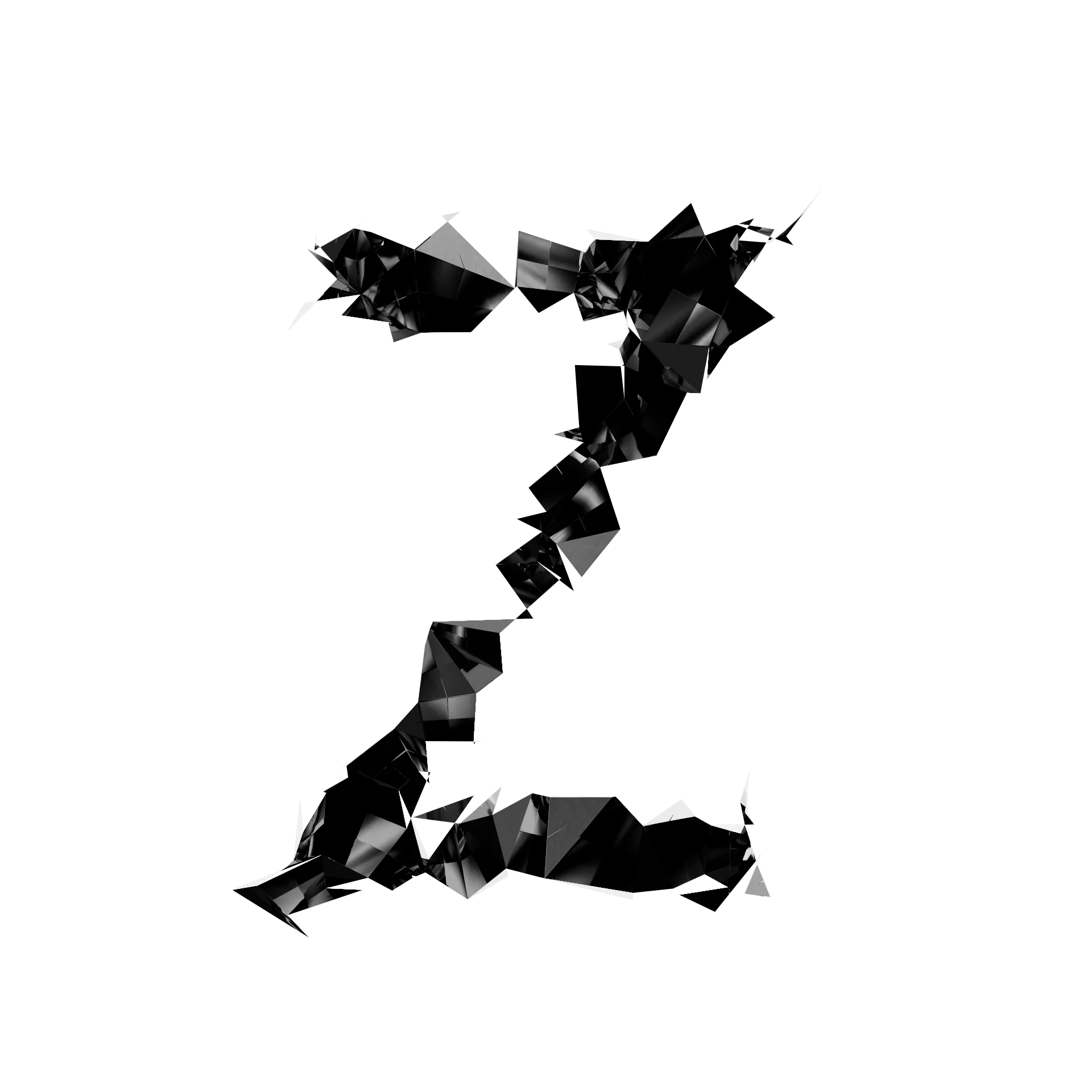
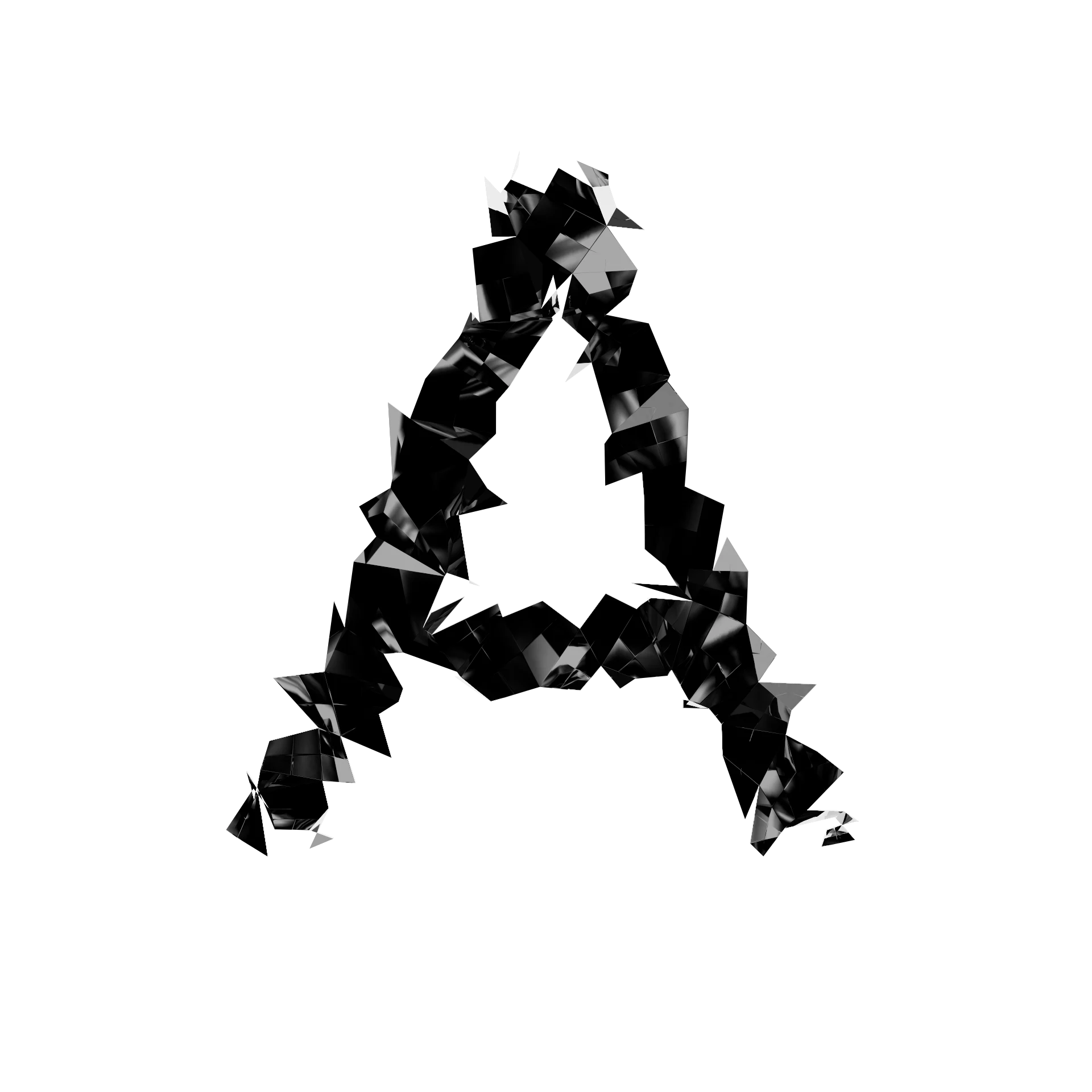
Shard Type is a fragmented 3D alphabet: the 26 letters of the Latin alphabet, set in DIN Neuzeit Grotesk Std Light, are extruded and shattered into angular shards of black specular material on a white background. It is an experimental typography study made with Cinema 4D, X-Particles and Redshift, and it asks one precise question: whether the silhouette of each letter survives the destruction of its continuous mass.

Visuals
A — Z
Letter A from Shard Type: a 3D character shattered into angular shards of black specular material on a white background
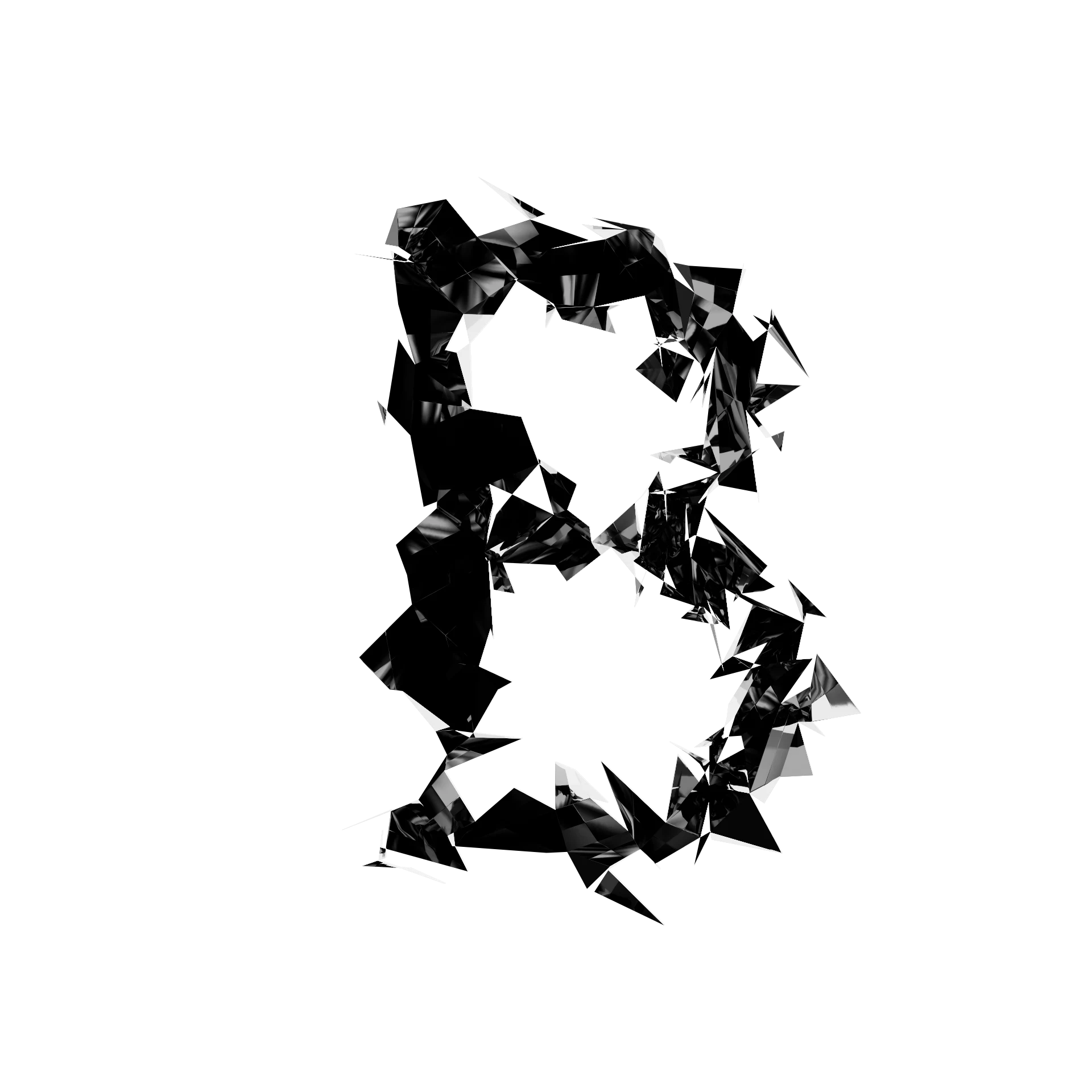
Letter B from Shard Type: a 3D character shattered into angular shards of black specular material on a white background
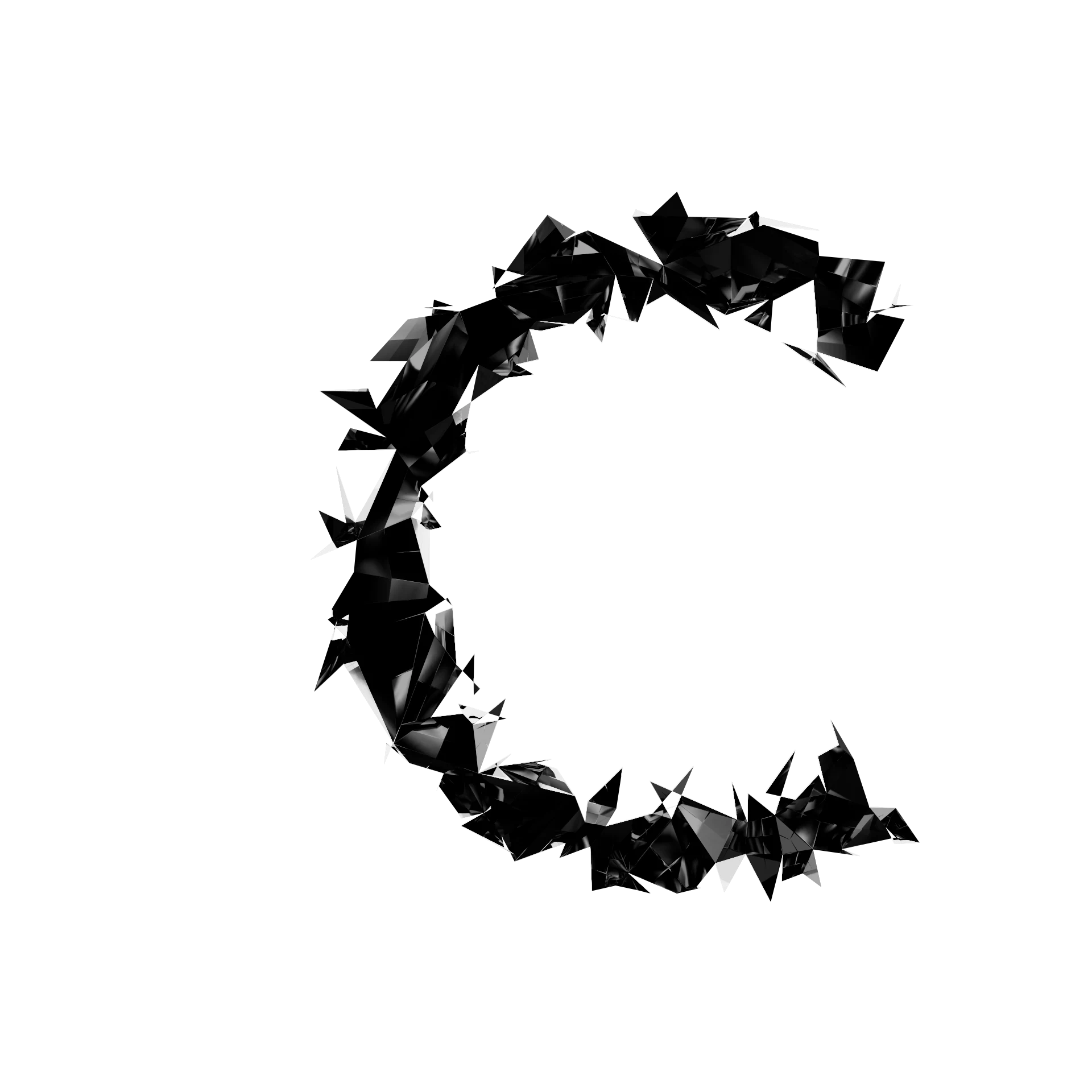
Letter C from Shard Type: a 3D character shattered into angular shards of black specular material on a white background
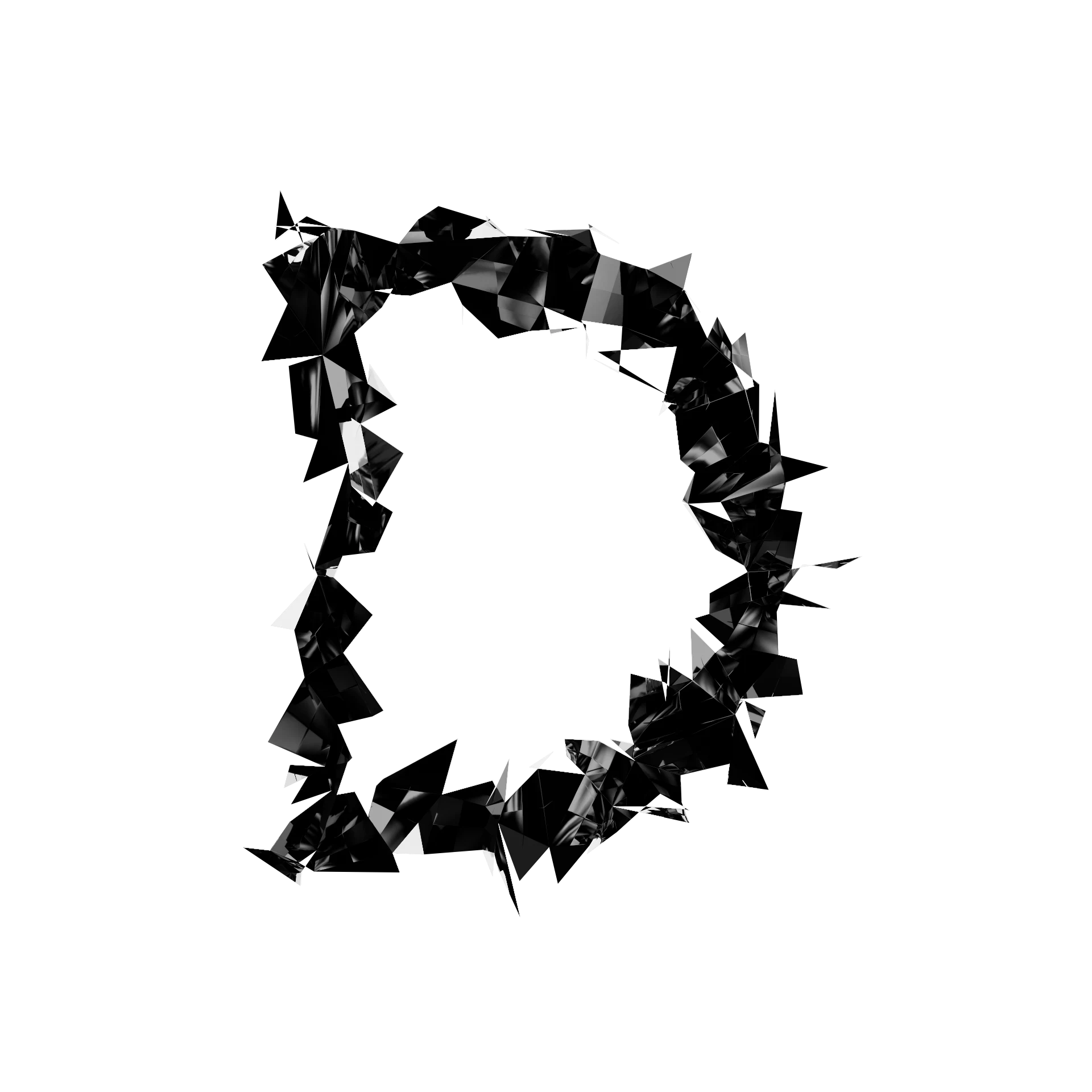
Letter D from Shard Type: a 3D character shattered into angular shards of black specular material on a white background
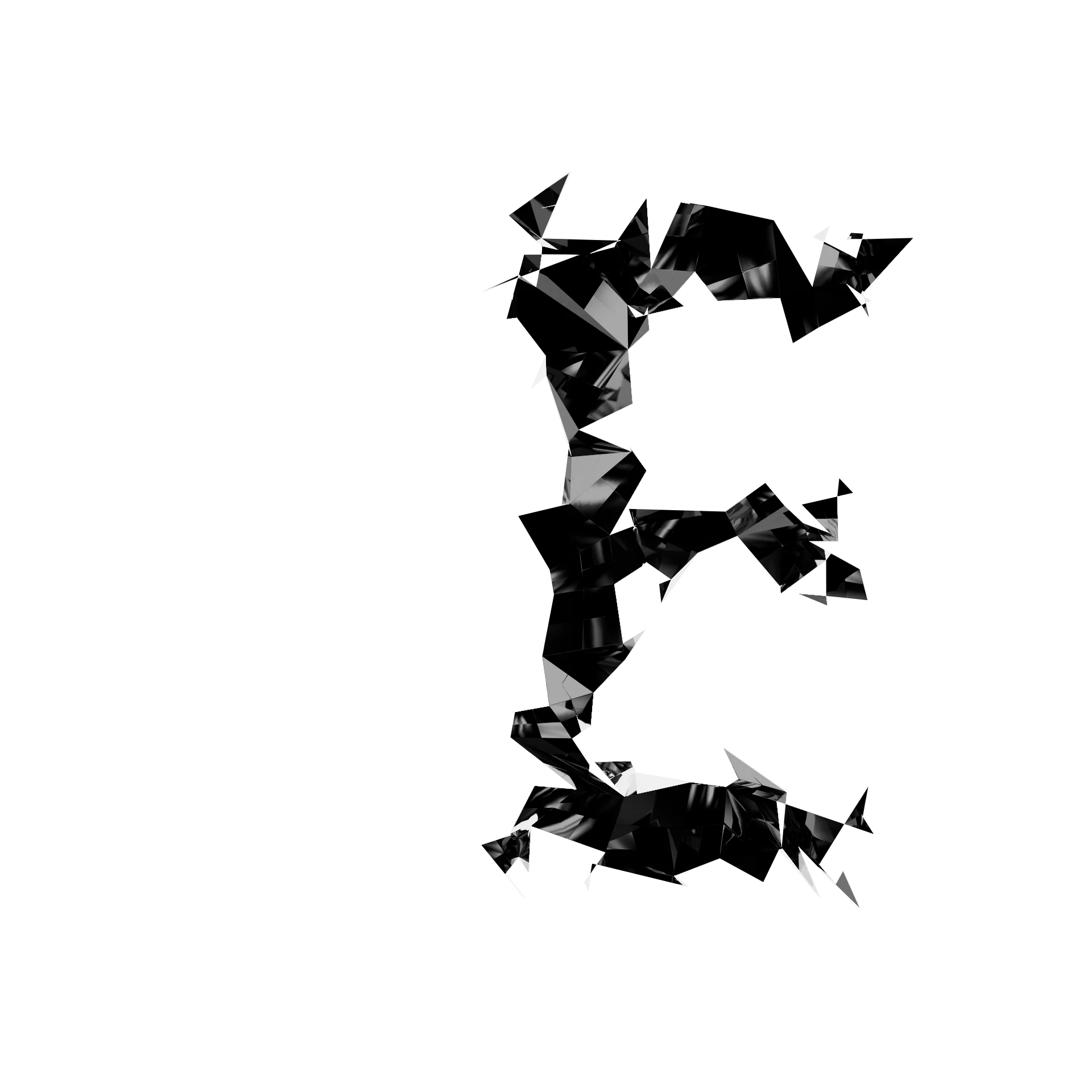
Letter E from Shard Type: a 3D character shattered into angular shards of black specular material on a white background
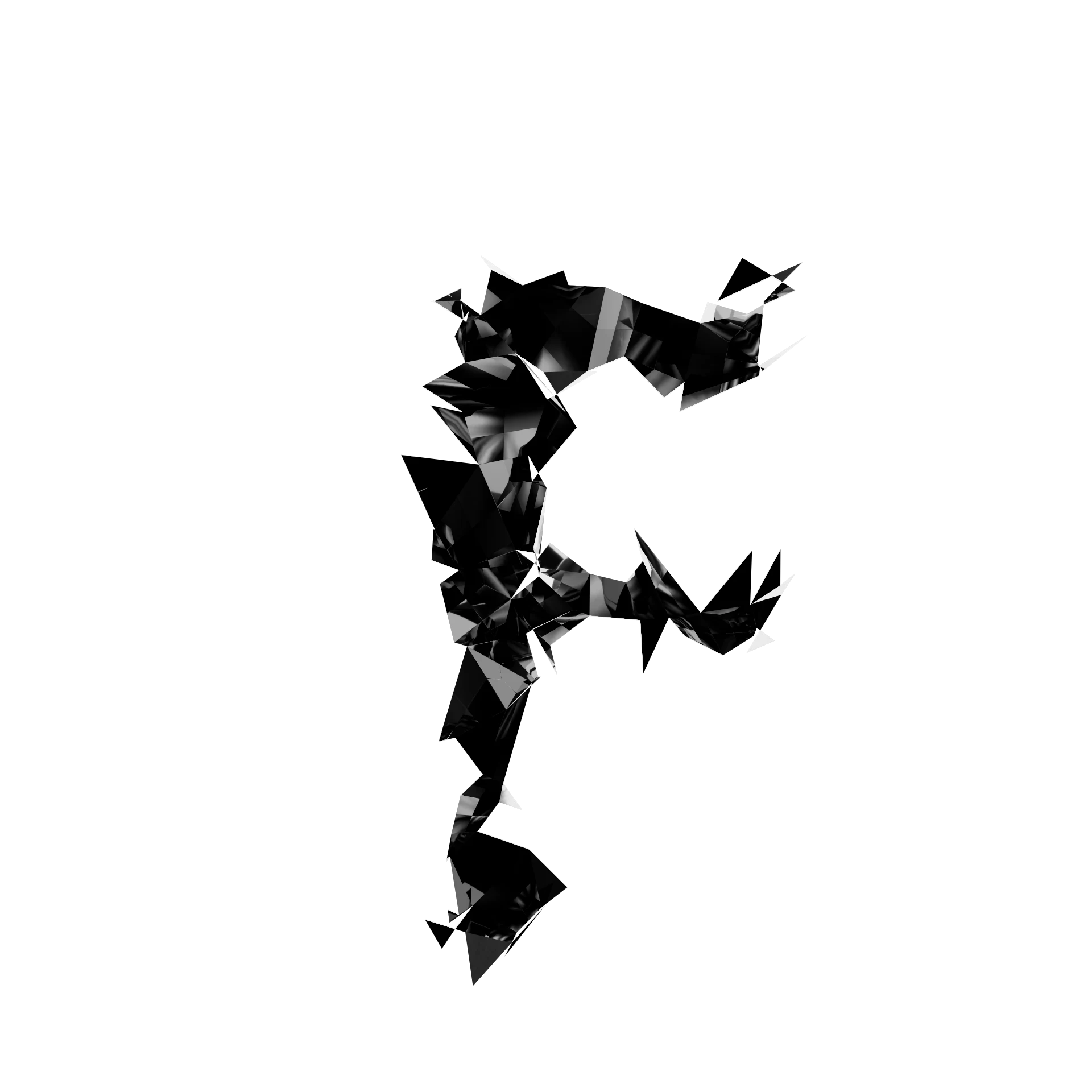
Letter F from Shard Type: a 3D character shattered into angular shards of black specular material on a white background
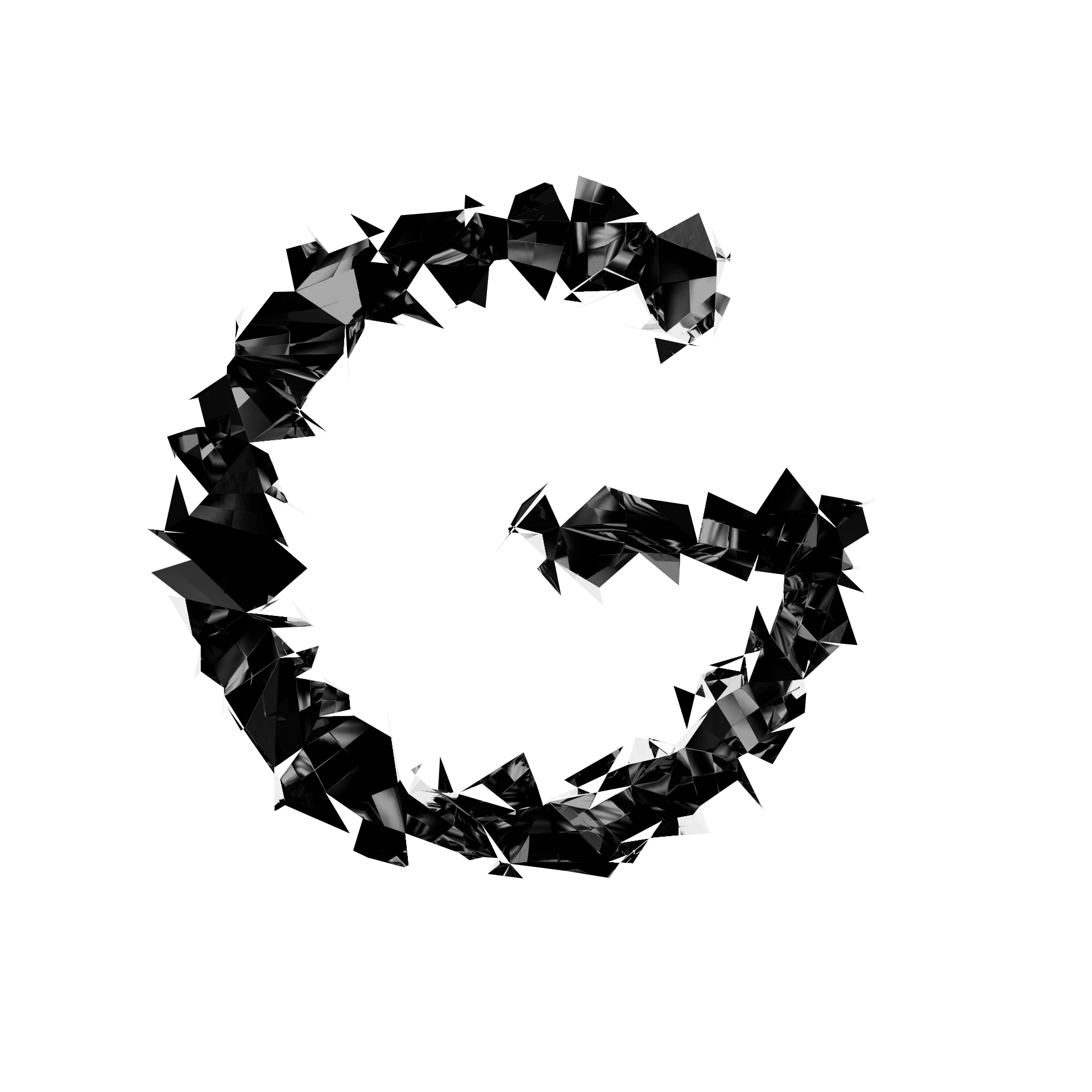
Letter G from Shard Type: a 3D character shattered into angular shards of black specular material on a white background
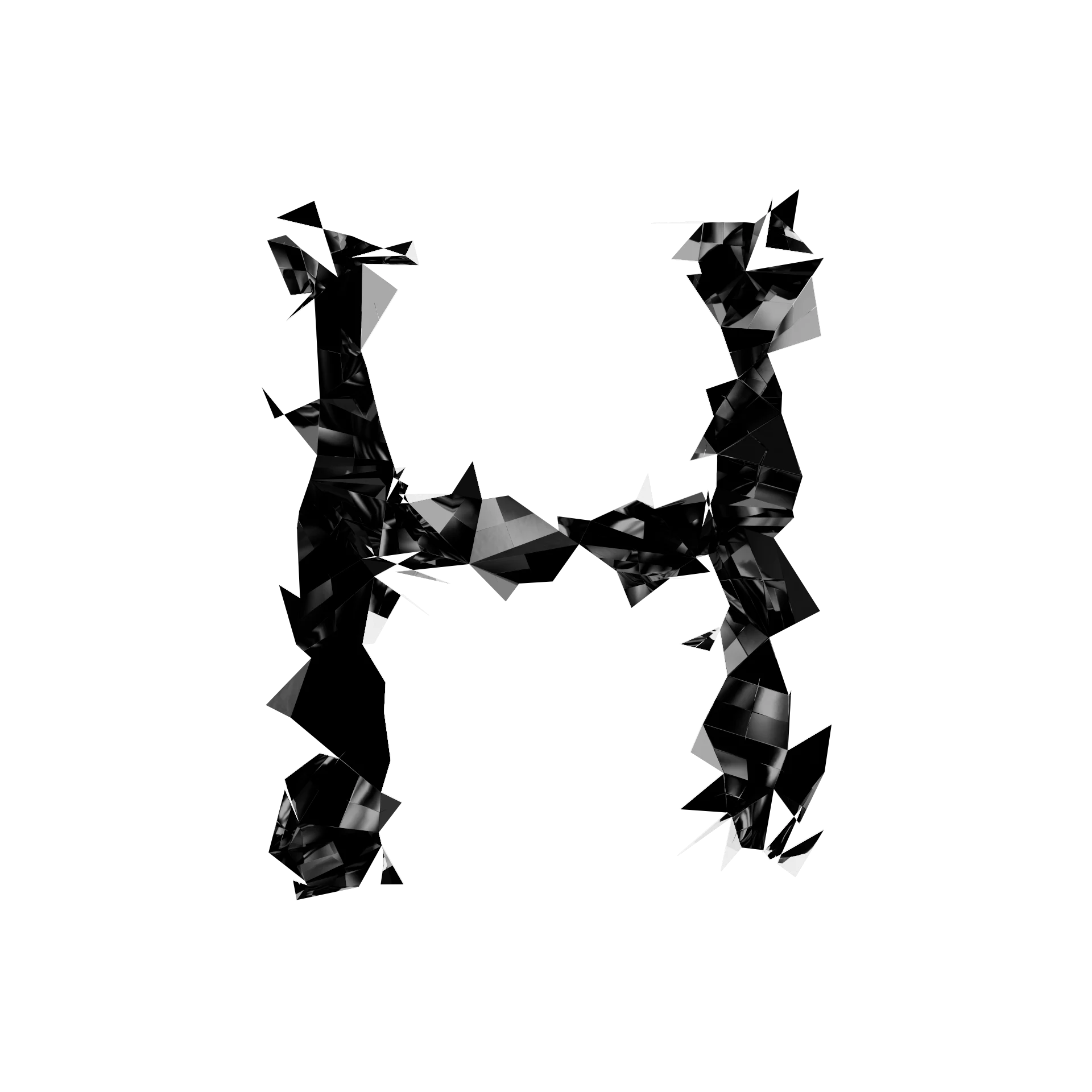
Letter H from Shard Type: a 3D character shattered into angular shards of black specular material on a white background
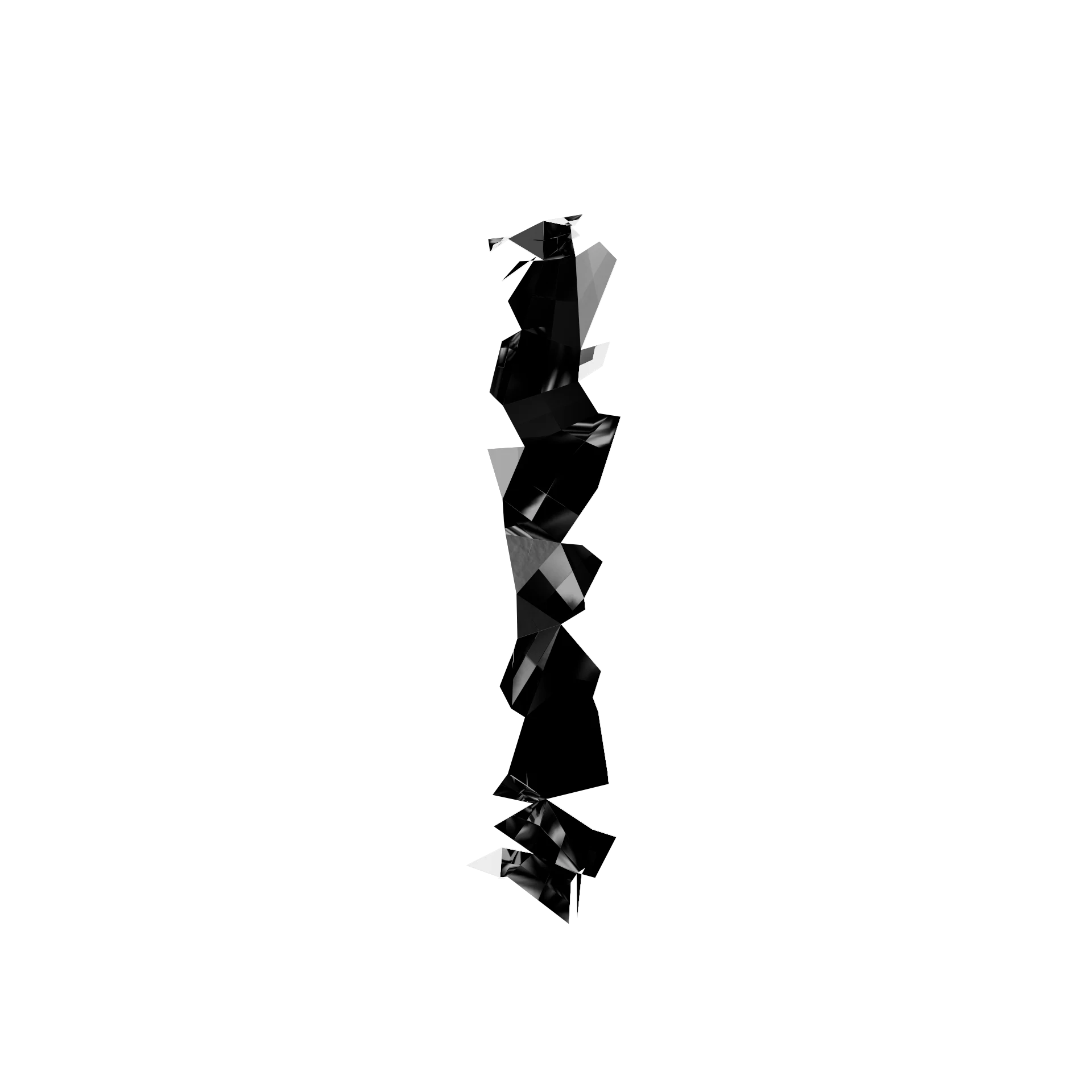
Letter I from Shard Type: a 3D character shattered into angular shards of black specular material on a white background
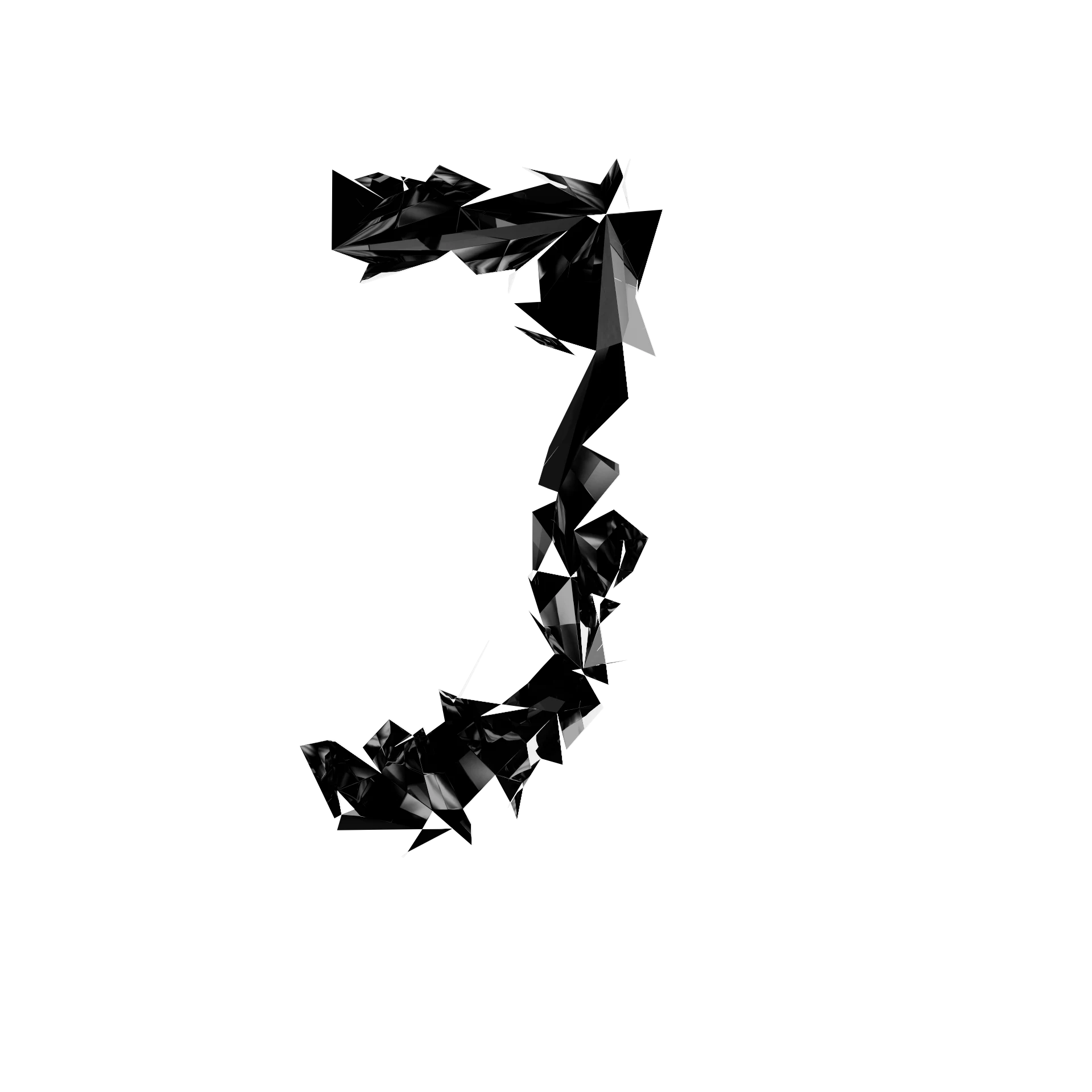
Letter J from Shard Type: a 3D character shattered into angular shards of black specular material on a white background
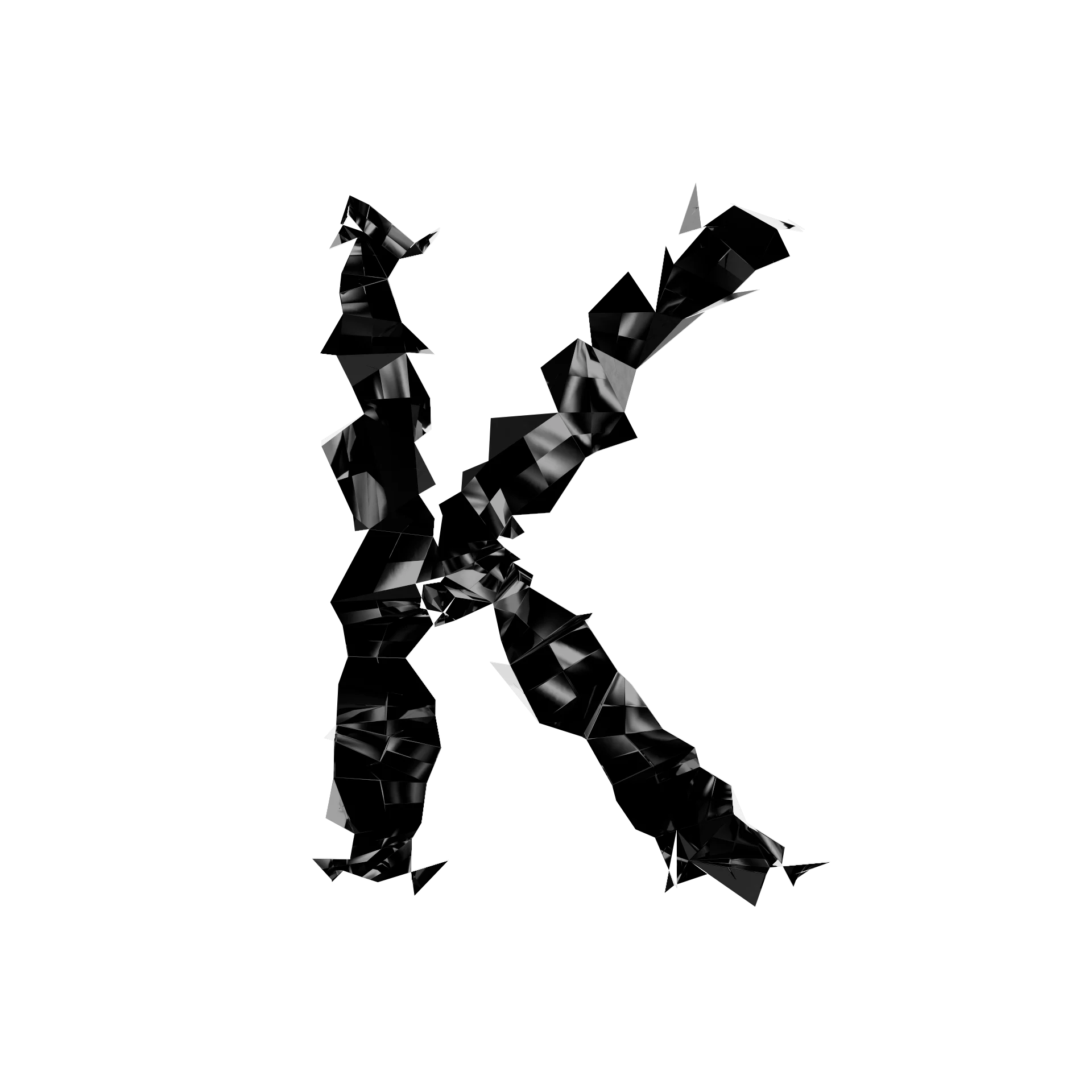
Letter K from Shard Type: a 3D character shattered into angular shards of black specular material on a white background
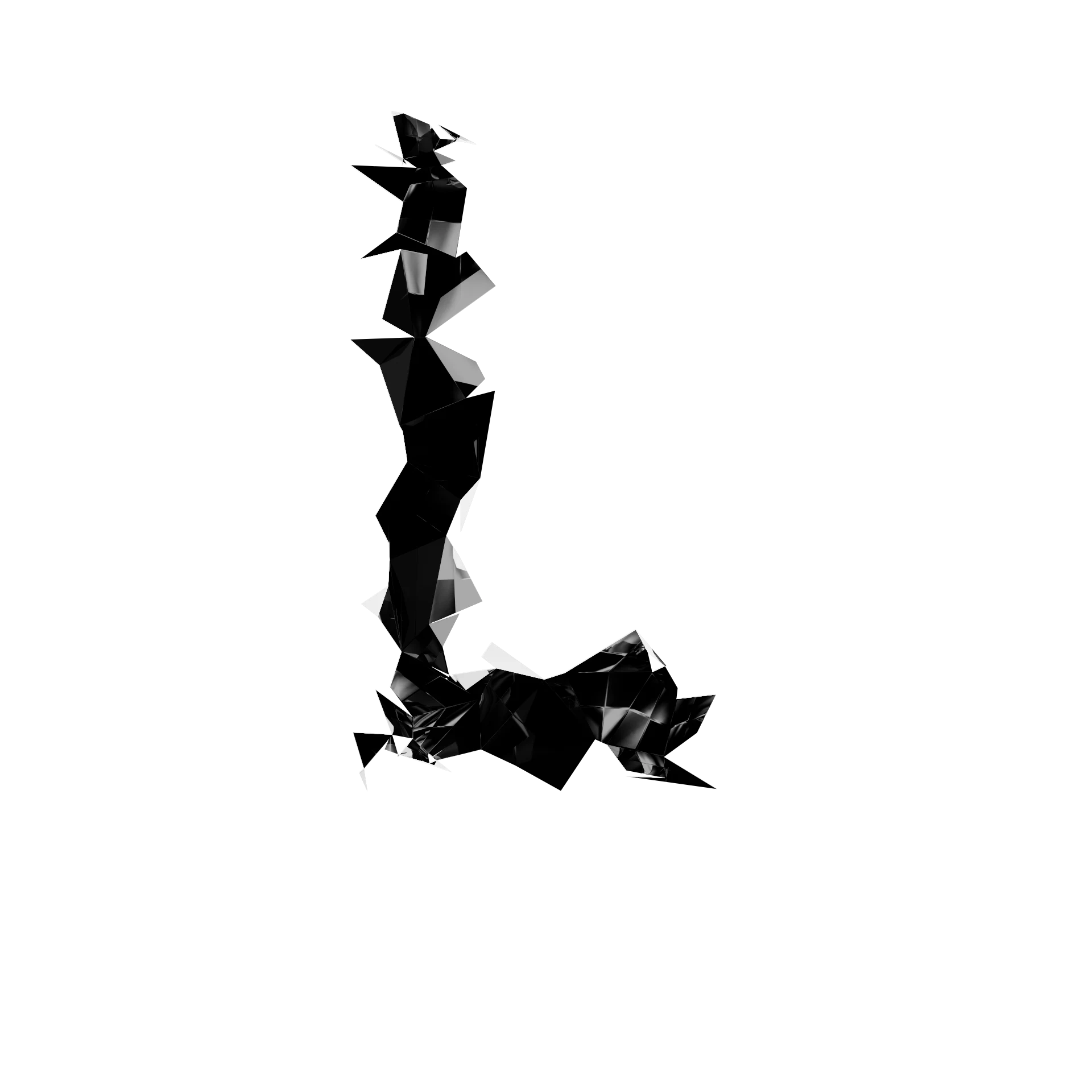
Letter L from Shard Type: a 3D character shattered into angular shards of black specular material on a white background
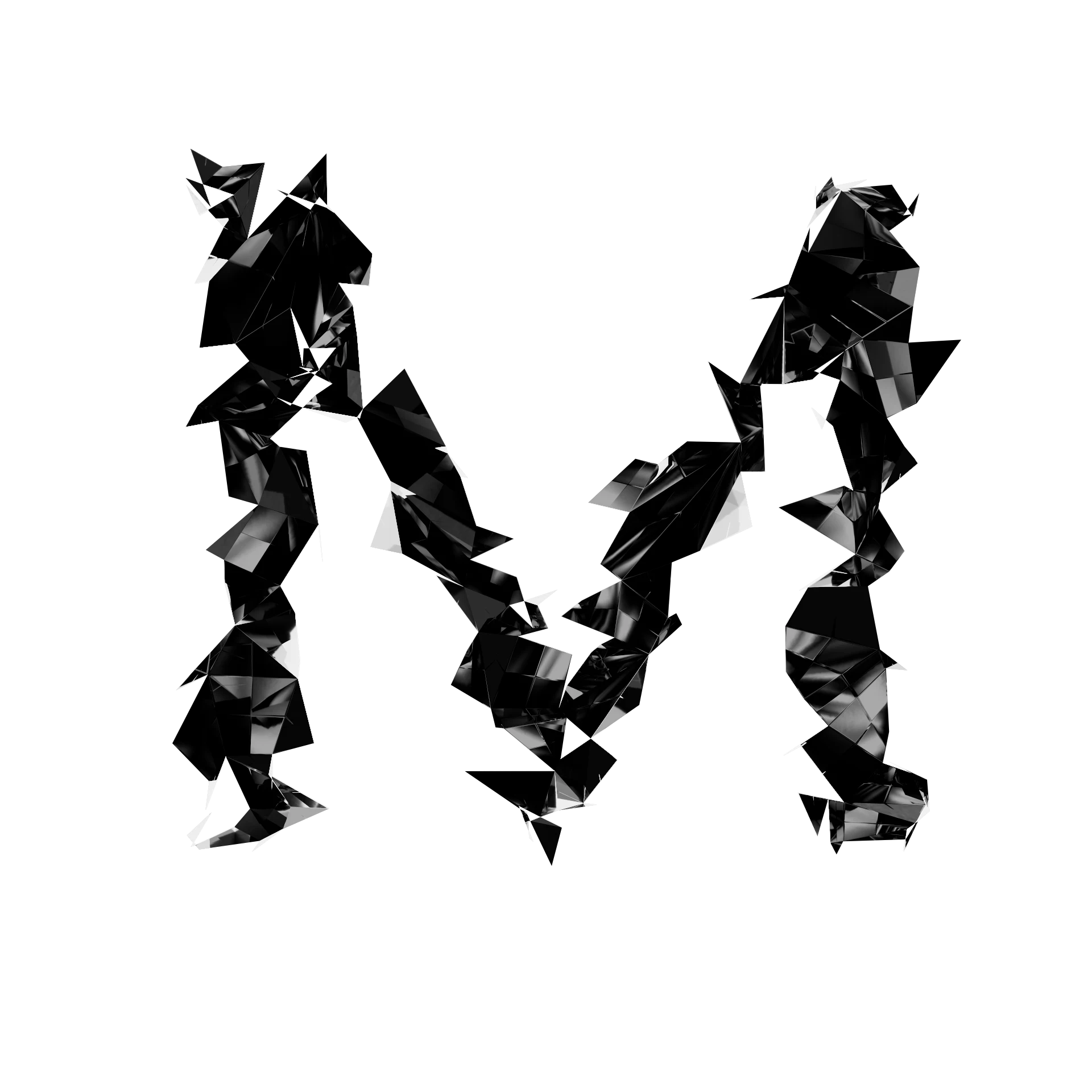
Letter M from Shard Type: a 3D character shattered into angular shards of black specular material on a white background
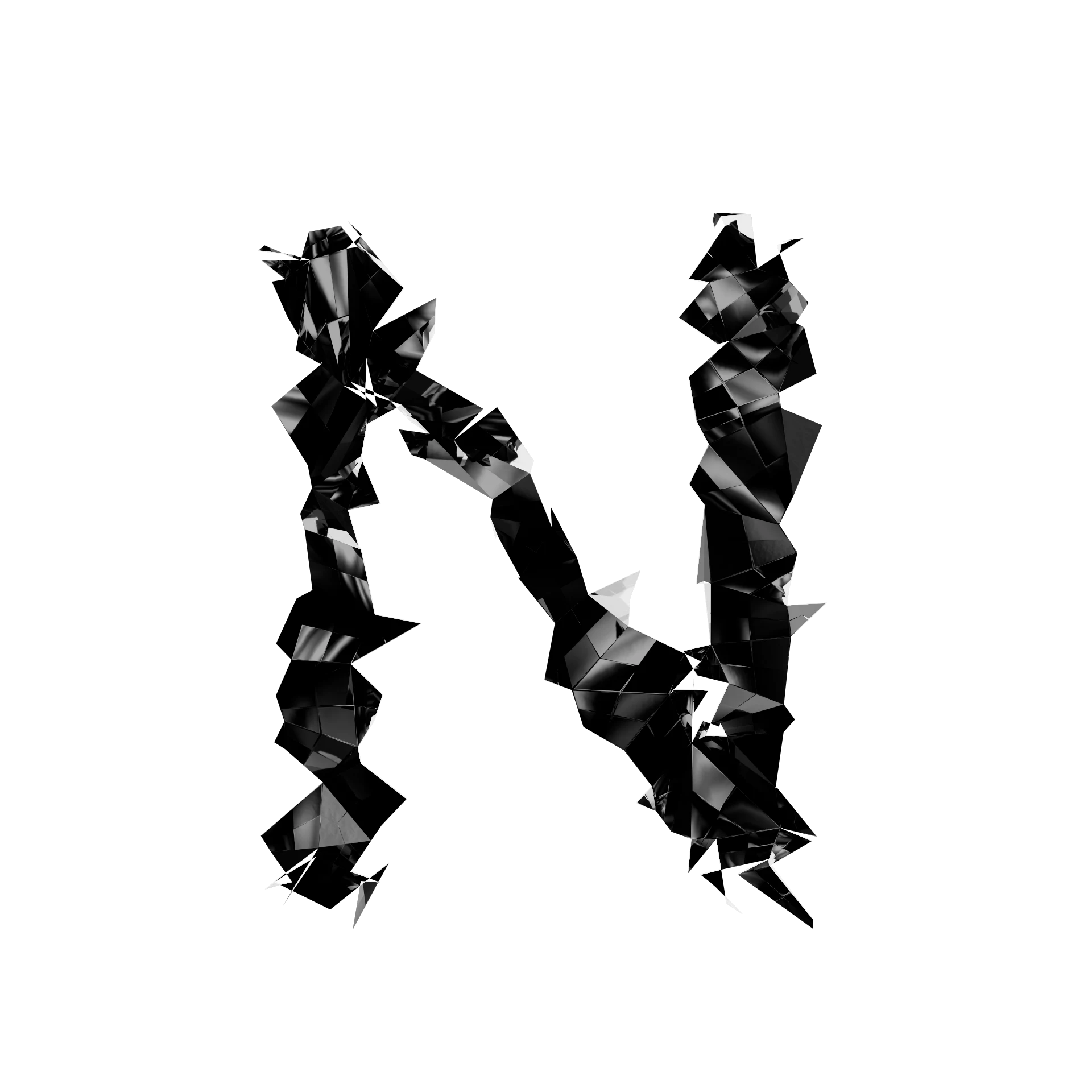
Letter N from Shard Type: a 3D character shattered into angular shards of black specular material on a white background
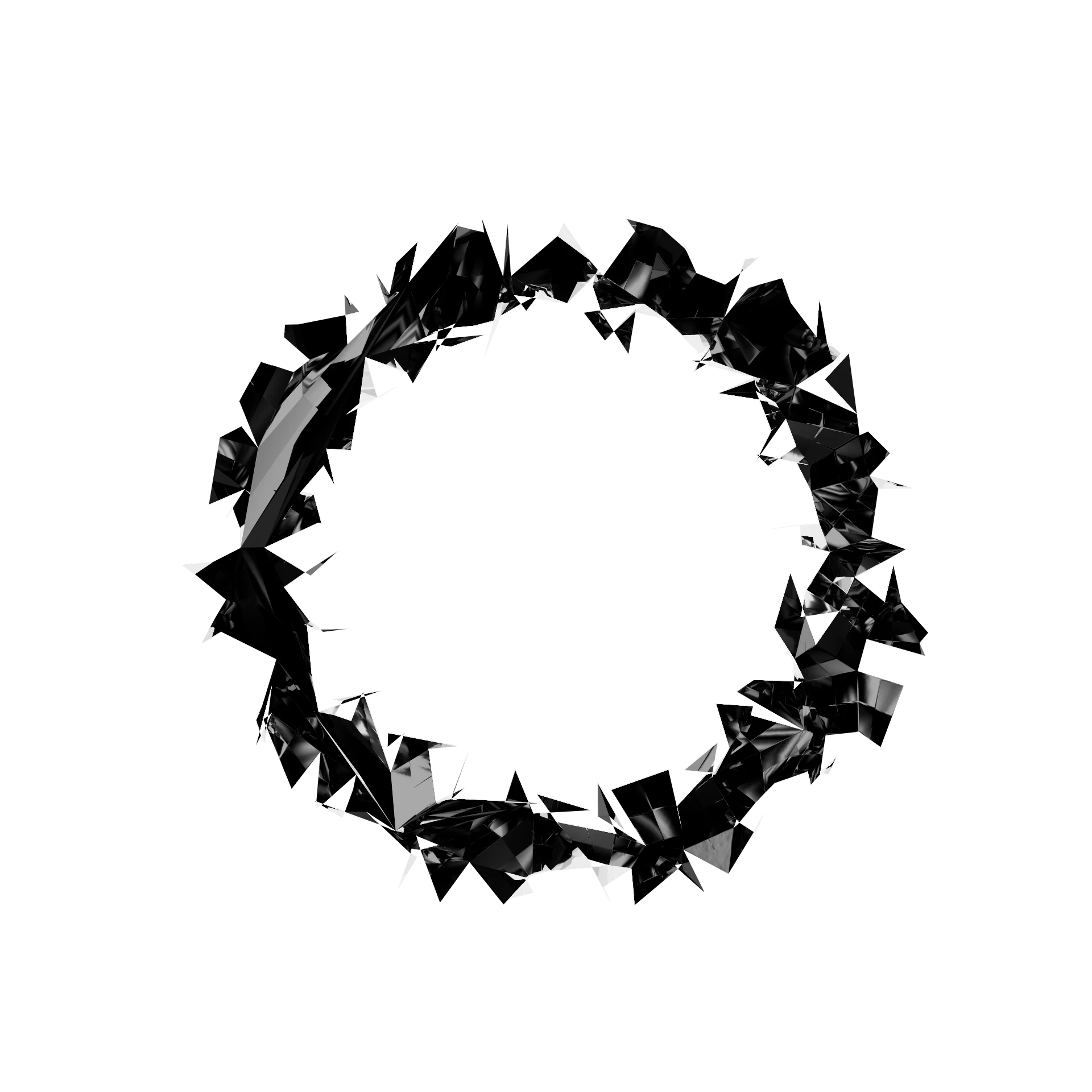
Letter O from Shard Type: a 3D character shattered into angular shards of black specular material on a white background
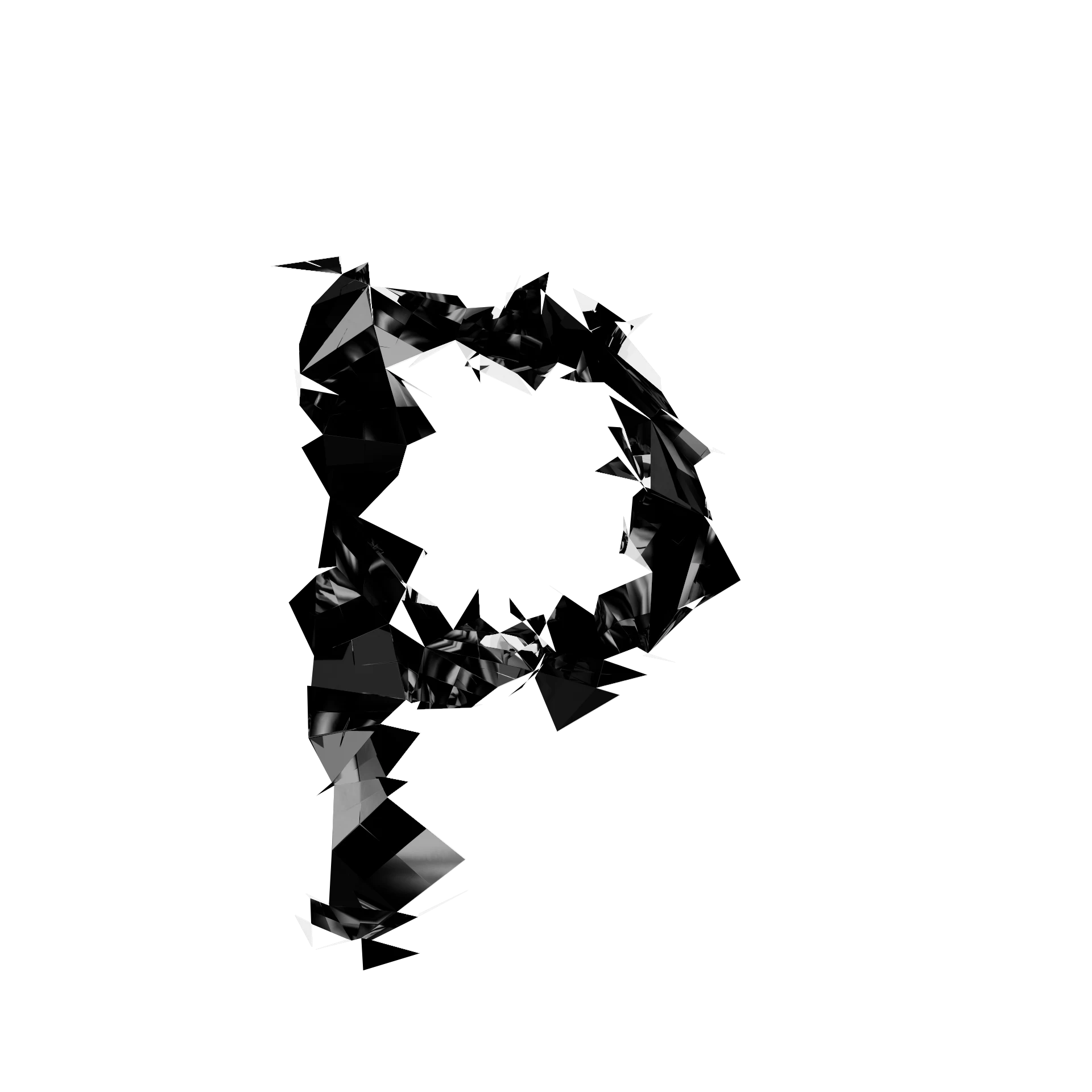
Letter P from Shard Type: a 3D character shattered into angular shards of black specular material on a white background
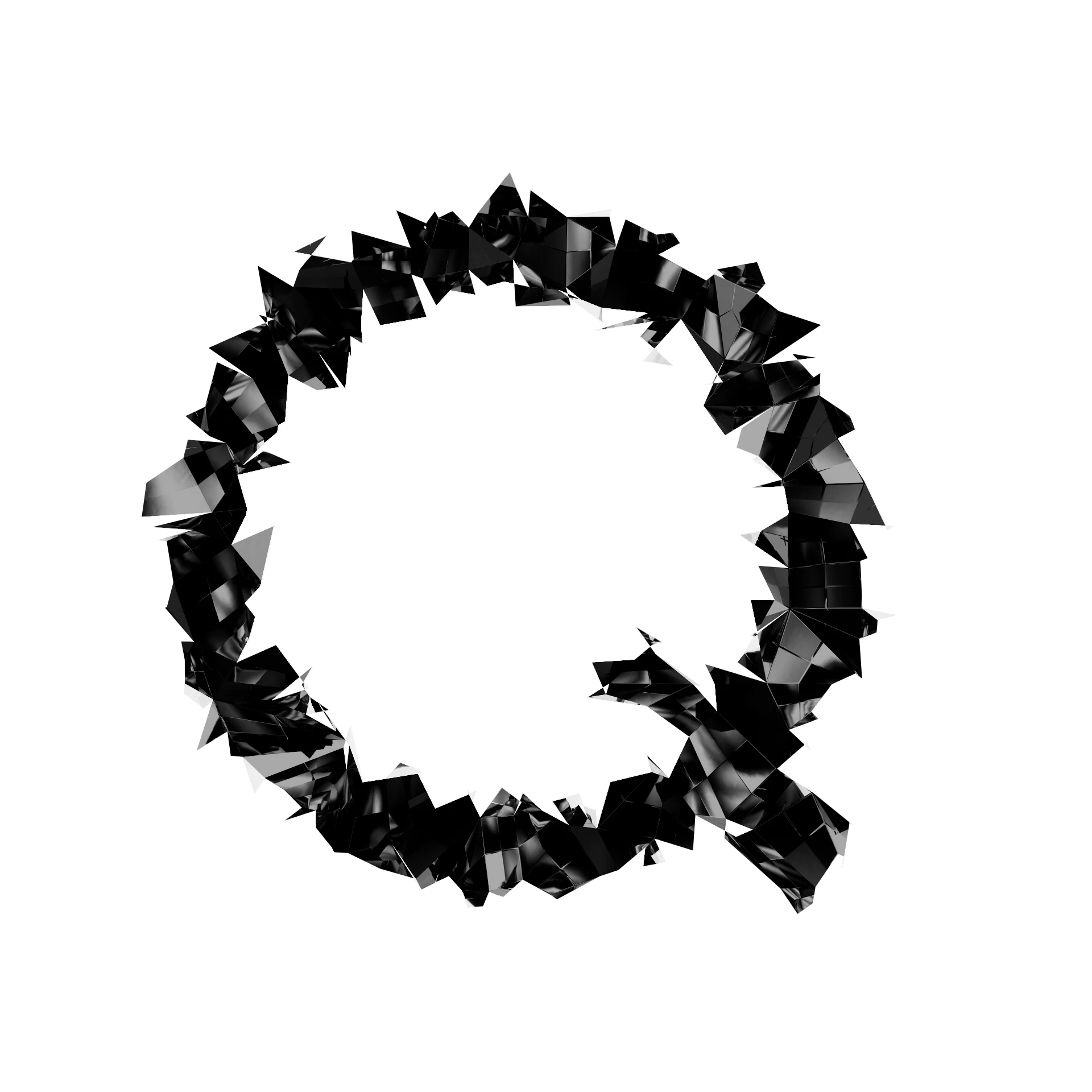
Letter Q from Shard Type: a 3D character shattered into angular shards of black specular material on a white background
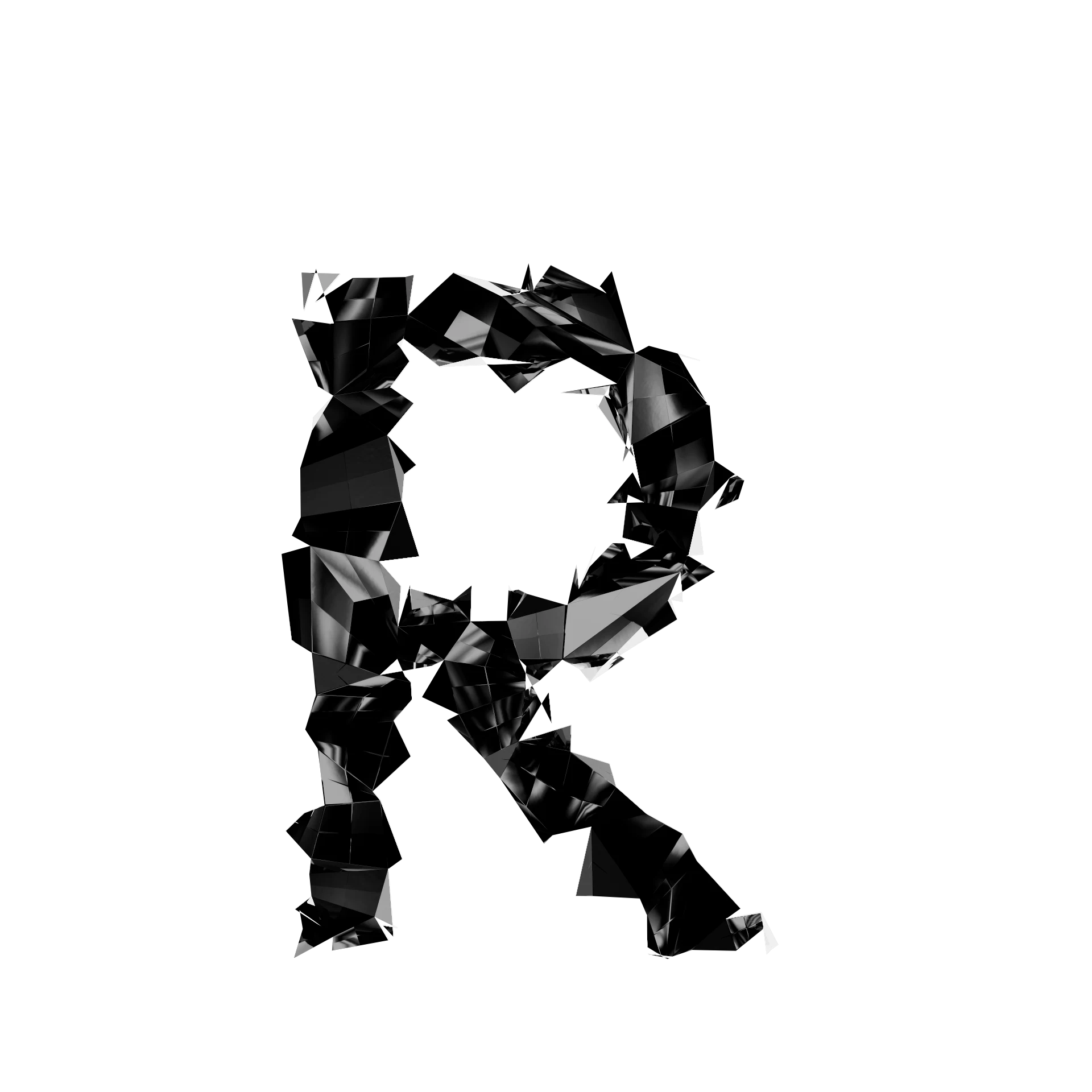
Letter R from Shard Type: a 3D character shattered into angular shards of black specular material on a white background
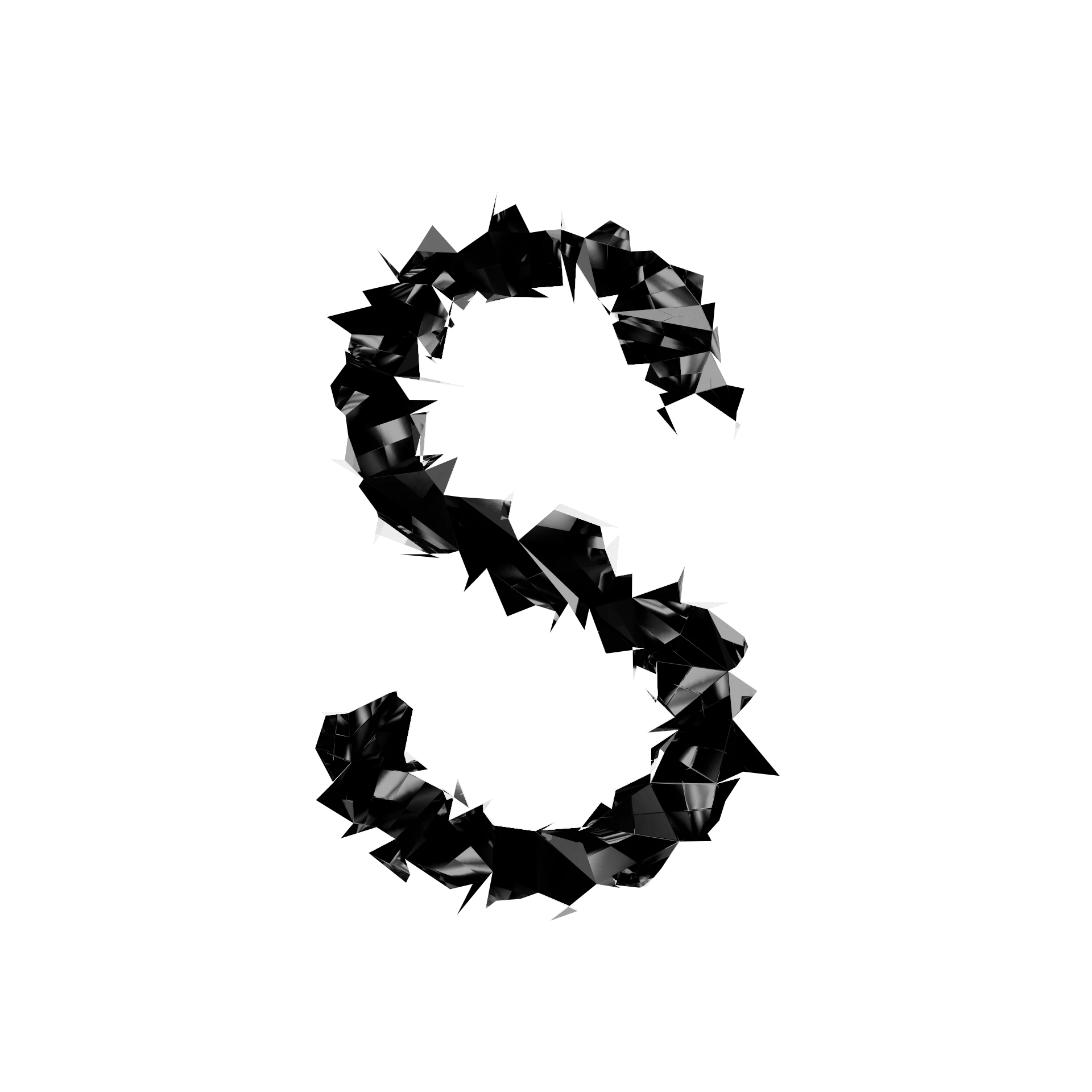
Letter S from Shard Type: a 3D character shattered into angular shards of black specular material on a white background
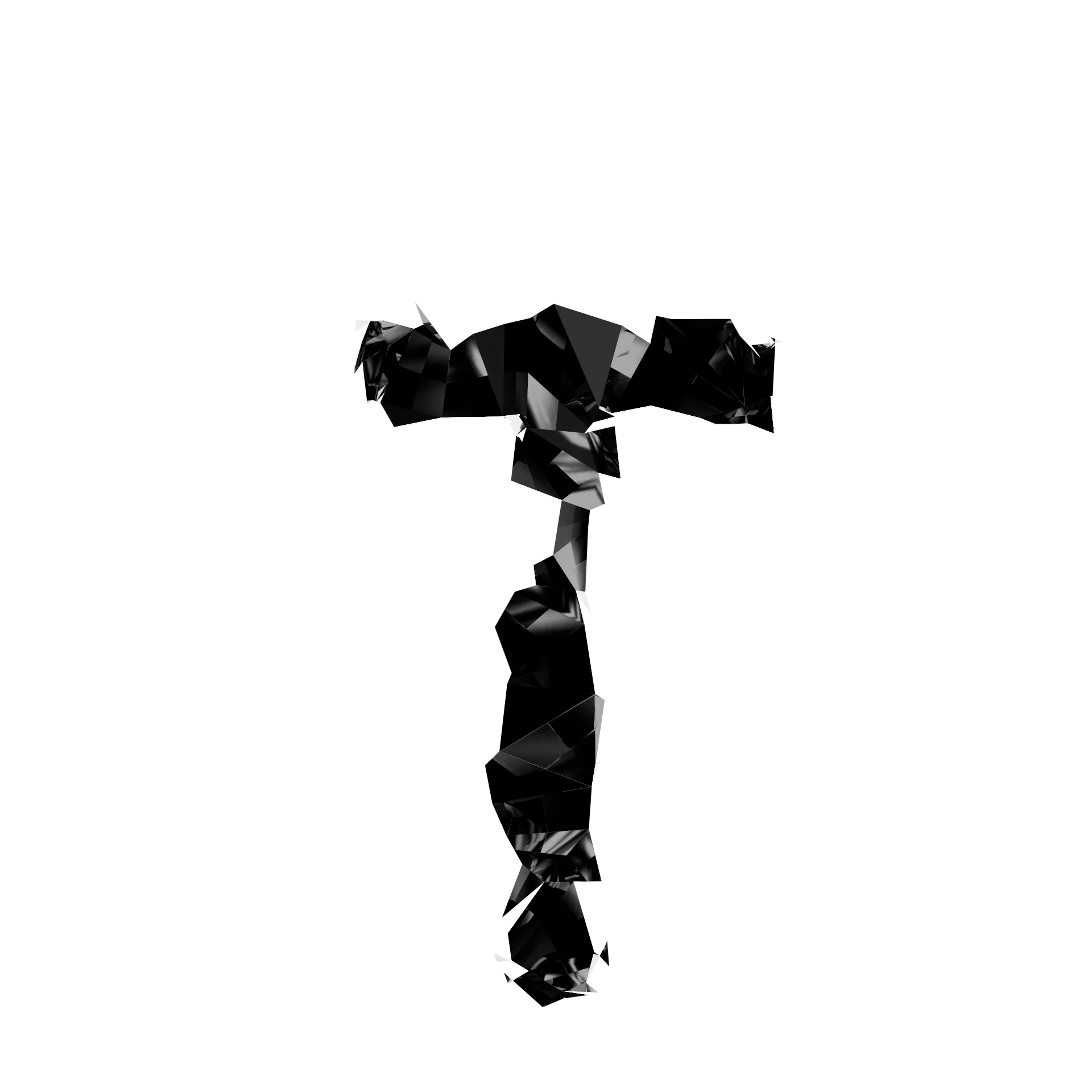
Letter T from Shard Type: a 3D character shattered into angular shards of black specular material on a white background
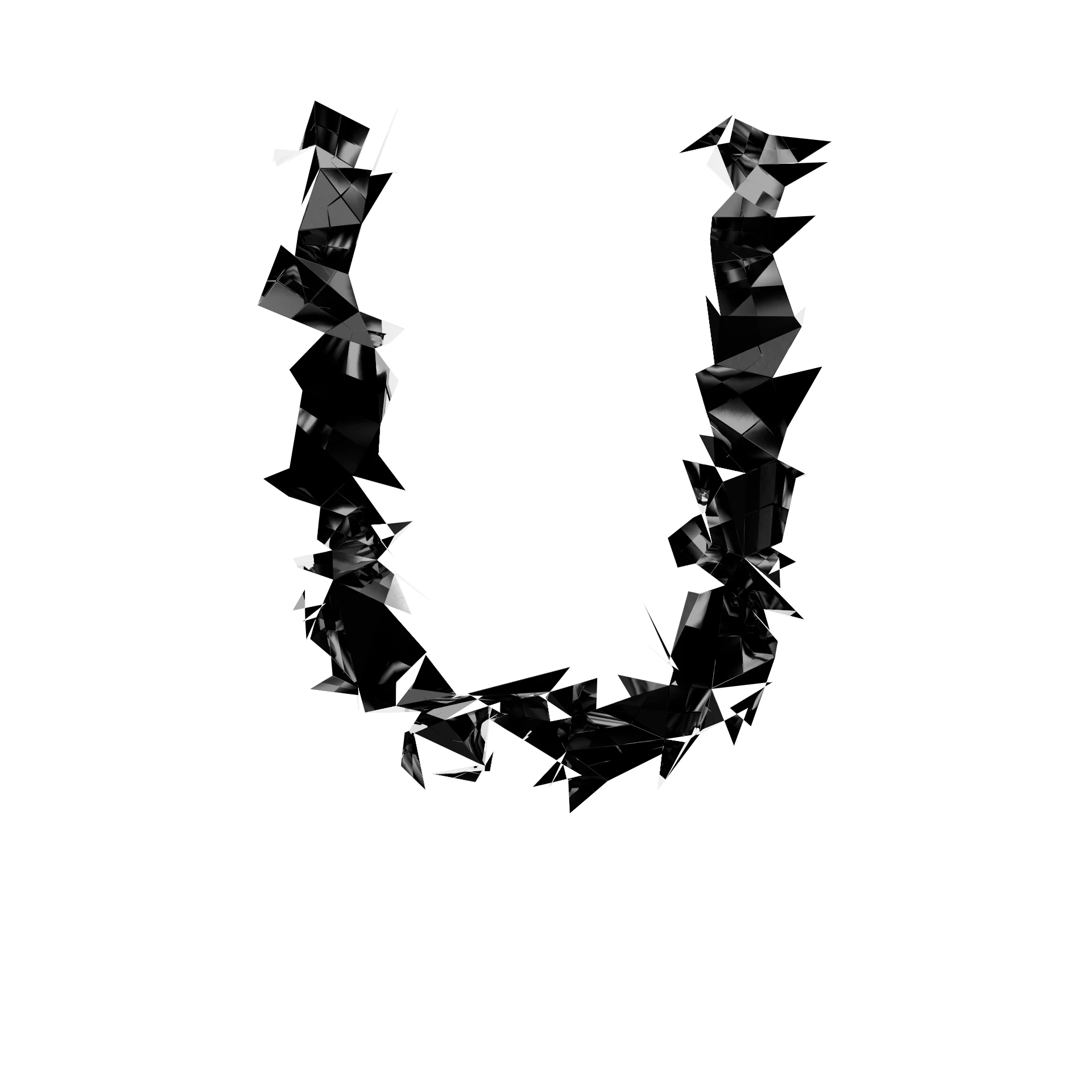
Letter U from Shard Type: a 3D character shattered into angular shards of black specular material on a white background
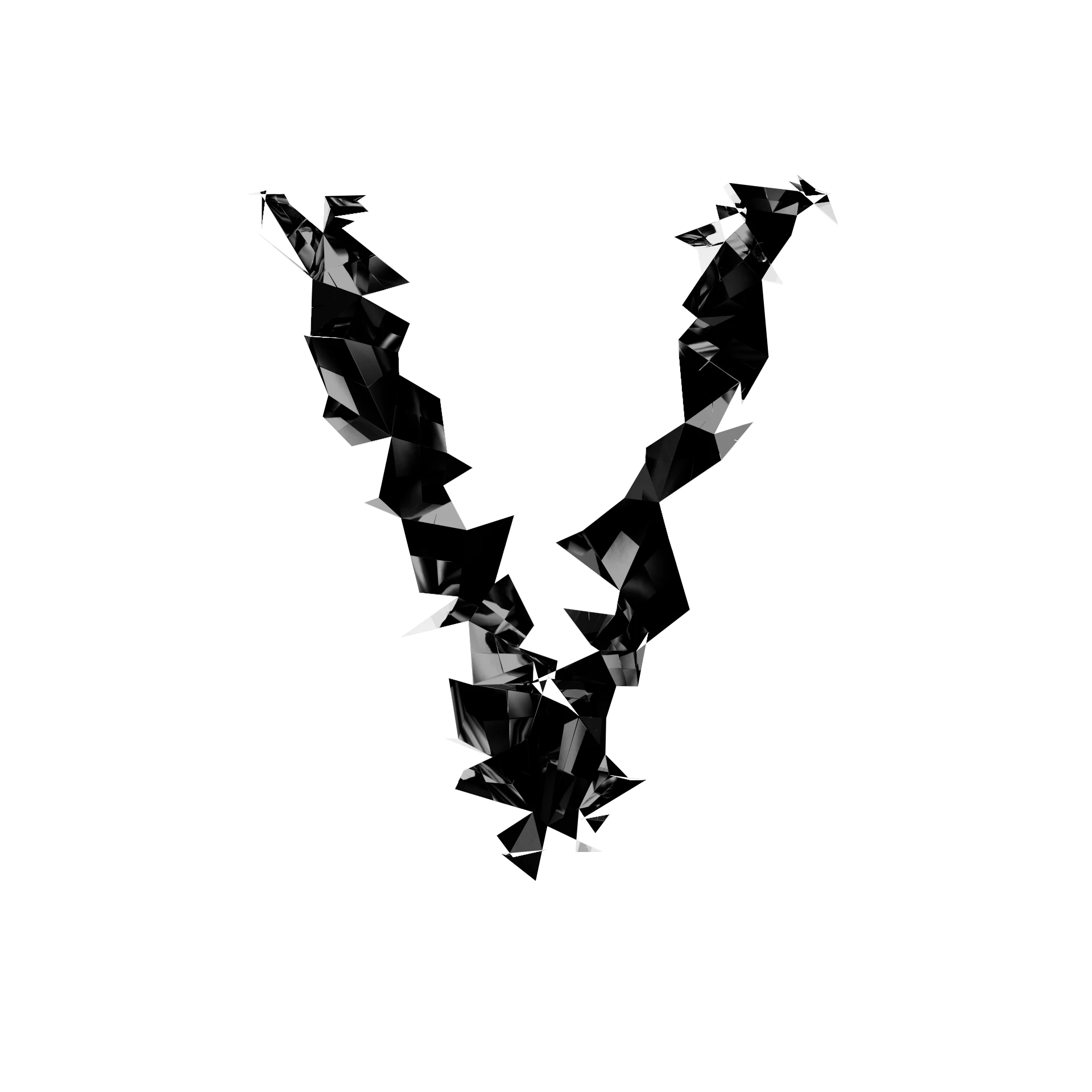
Letter V from Shard Type: a 3D character shattered into angular shards of black specular material on a white background
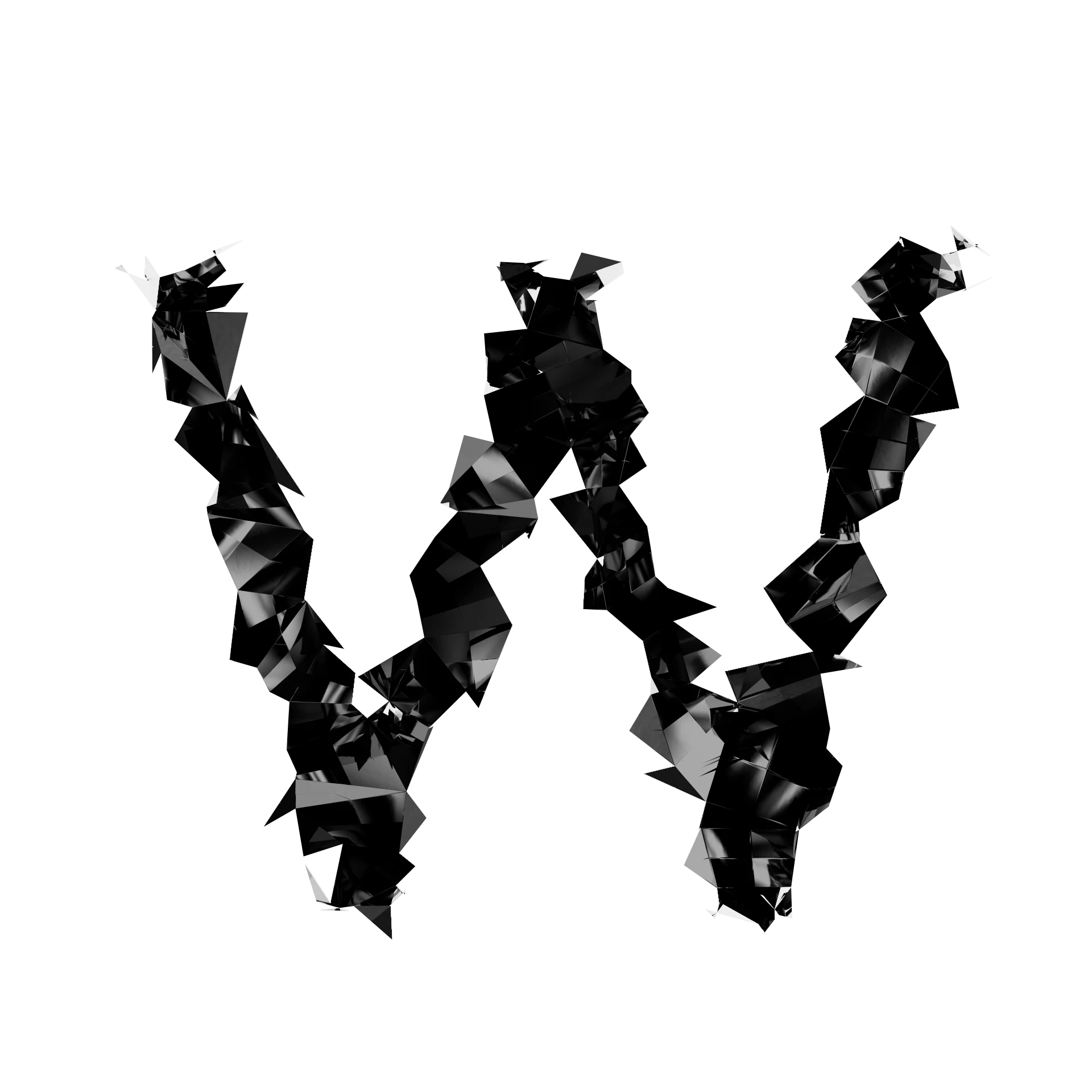
Letter W from Shard Type: a 3D character shattered into angular shards of black specular material on a white background
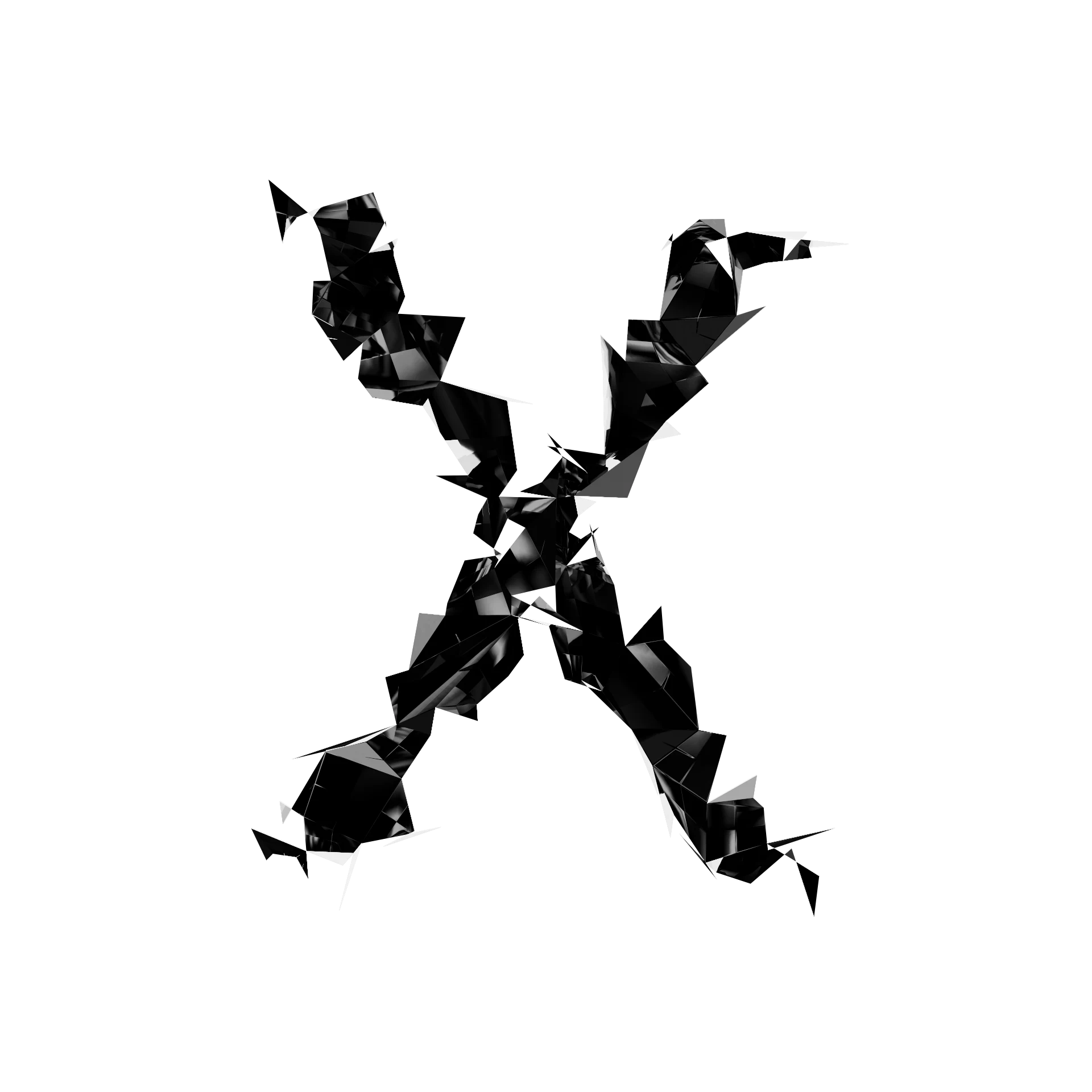
Letter X from Shard Type: a 3D character shattered into angular shards of black specular material on a white background
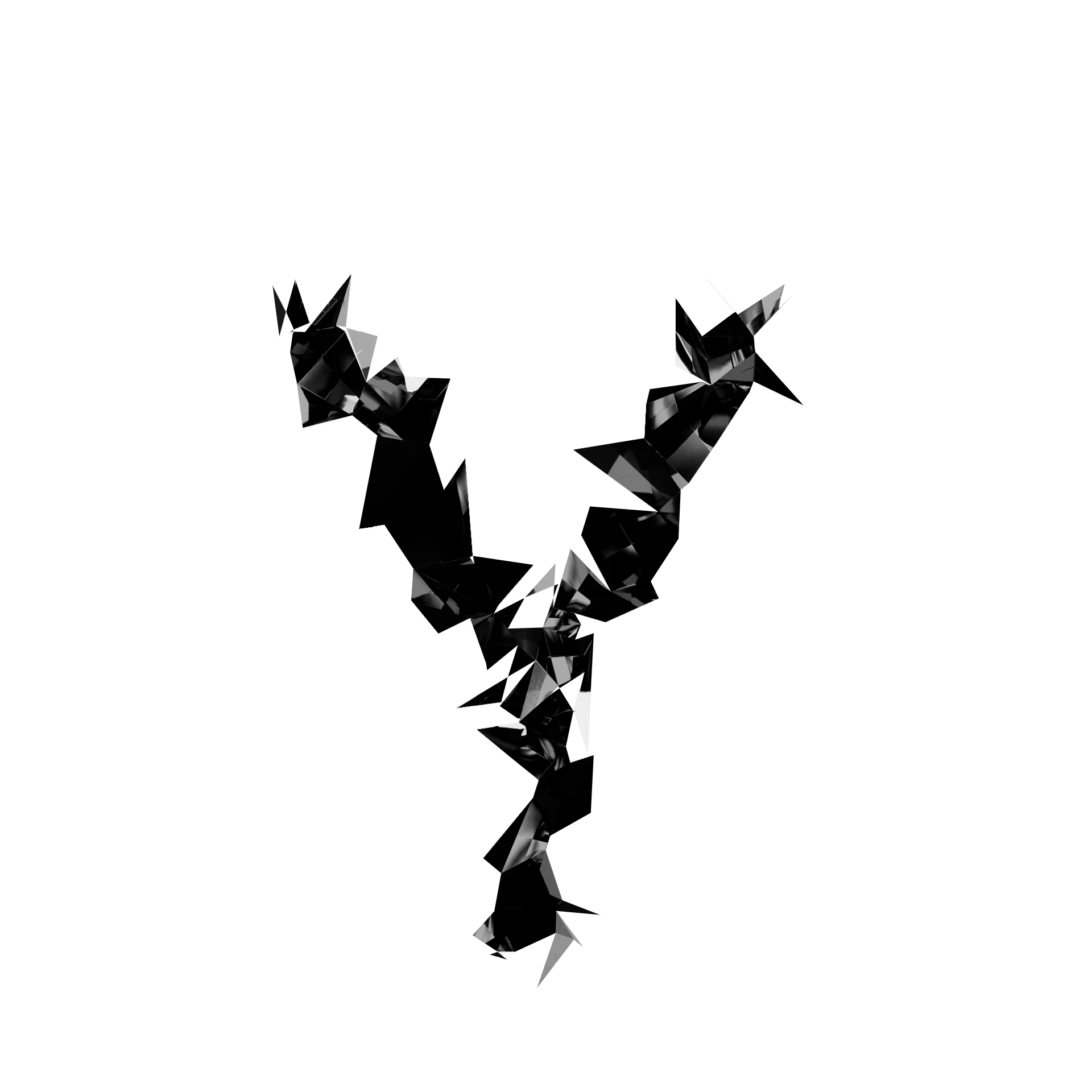
Letter Y from Shard Type: a 3D character shattered into angular shards of black specular material on a white background
Letter Z from Shard Type: a 3D character shattered into angular shards of black specular material on a white background

Experiment

01
Level —FormalProceduralMotional· Non-reactive process — Specific series

Formal reference

DIN Neuzeit Grotesk Std Light, capitals: a grotesque with uniform stroke and geometric construction, with no contrast or serifs competing with the fracture.

Concept

Can a set of angular shards hold the identity of a typographic character? Hypothesis: yes, as long as the mass distribution respects the skeleton of the letter. Fracture is posed as a constructive system, not as a metaphor for impact or destruction: each glyph of the Latin alphabet is a solid volume that receives the same fragmentation process, and the result is measured in legibility.

System

Each letter is generated as text in DIN Neuzeit Grotesk Std Light and extruded to a uniform depth. The fragmentation combines mesh inset and subdivision, MoGraph fields (random and noise) and X-Particles — emitter, attractor, turbulence and dynamics — which break the letter apart over the course of the animation. The black specular material with white highlights is assigned identically to all 26 models.

Process

Character text in DIN Neuzeit Grotesk Std Light → uniform extrusion in Cinema 4D → mesh inset and subdivision with random and noise fields → animation with X-Particles (emitter, attractor, turbulence, dynamics) → black specular material → studio lighting (HDRI, rear softbox and rim light) → Redshift render with alpha channel and ACEScg colour management → 16-frame sequence, the last one as the still image → presentation on a white background.

Constants

—Typographic base: DIN Neuzeit Grotesk Std Light, capitals
—A single fracture parameter for all 26 glyphs — no per-letter adjustments
—Constant extrusion depth across the entire alphabet
—Identical material: black specular with angular highlight (not diffuse)
—Presentation on white — the render keeps its alpha channel and the character exists as an object, not a silhouette
—No outline, no shadow cast on the background

Variables

—The letter: the only thing that changes across the 26 models. Its skeleton decides how the mass is distributed and what shape the shards take
—Thin-stroke letters (I, L, T) — reduced mass generates shards of smaller surface area and greater apparent density
—Closed-form letters (B, O, P, Q, R) — the interior negative space survives as void between fragments
—Diagonal letters (A, M, V, W, X, Y, Z) — stroke direction conditions the dominant orientation of the shards
—Not explored: variable fracture density per letter — the parameter stayed constant across the series

Output

Specimen A–Z: 26 individual renders and a 16-frame animation per letter (19 for A, 20 for B), square 1920 × 1920 format with alpha channel, presented on a white background.